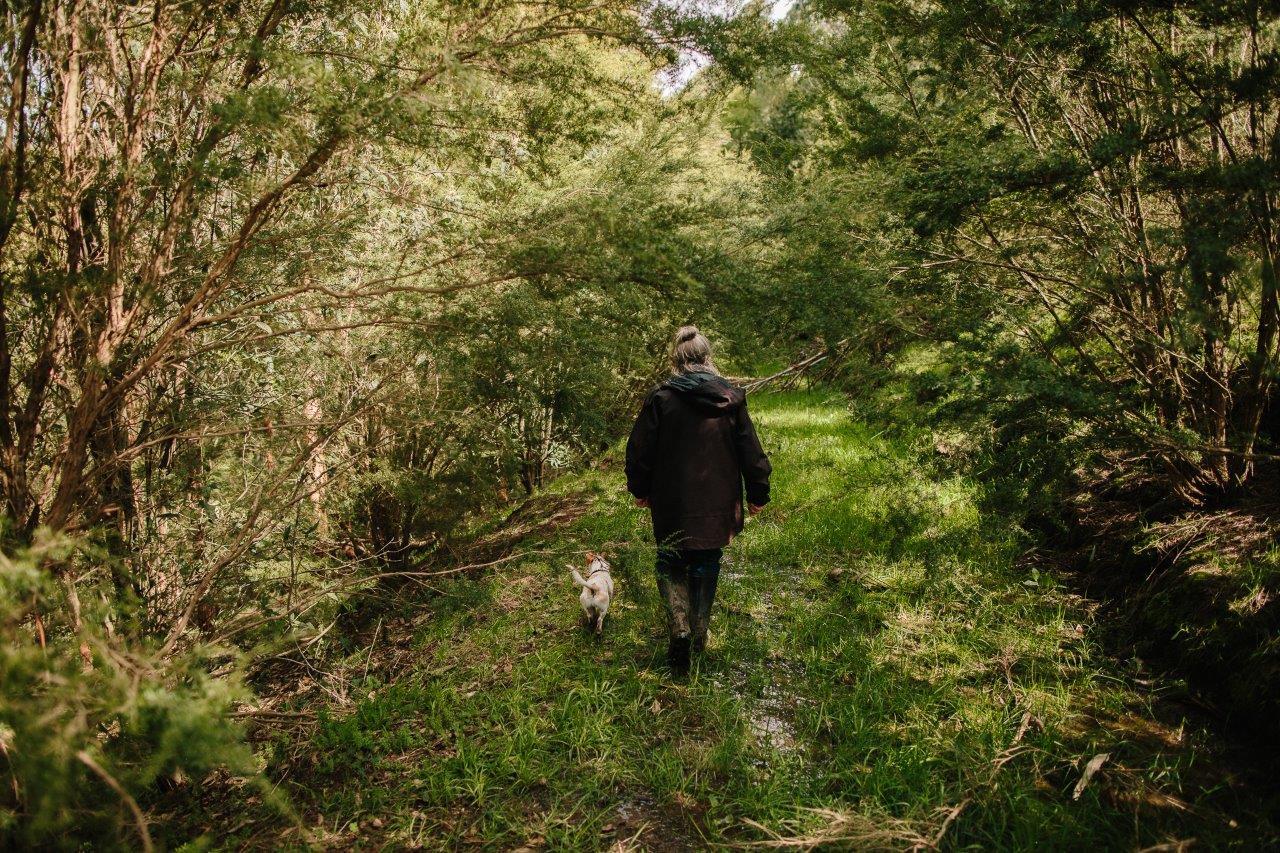
South Gippsland’s broad range of habitats and ecosystems – from marine and coastal through to tall wet forests – supports 777 species of native fauna and 1431 species of native flora.

Threatened species
Of the 2222 native species (flora, fauna and fungi listed in the Victorian Biodiversity Atlas) found in South Gippsland, 226 species are listed as threatened either at a federal level under the Environment Protection and Biodiversity Conservation Act 1999 (EPBC Act) or state level under the Flora and Fauna Guarantee Act 1988 (FFG Act). This equates to approximately 10% of South Gippsland’s native species diversity.
When this is broken down further, 12% of South Gippsland’s fauna, 9% of its flora and 31% of its fungi species are officially under threat.
Since European settlement, Victoria has lost 30 species: 18 species of mammal; two birds, one snake; three freshwater fish; six invertebrates and 51 plants. Today, between one quarter and one third of Victoria’s terrestrial plants, birds, reptiles, amphibians and mammals, and many invertebrates and ecological communities, are at risk of extinction.
South Gippsland’s diverse environment places it in a strong position to play an active role in conservation efforts for threatened species, particularly those that have a high proportion of their range or important habitat occurring locally. Data on threatened species across the region varies widely: locations like Wilsons Promontory and other conservation reserves have higher instances of records, while private land is largely lacking.
The plan’s actions for threatened species are set out under Strategic Direction 5.
Source: South Gippsland Biodiversity Protection Plan (October 2024), sections 3.1.2, 3.3 and 3.4.